Article object
{
  "id": "18906406-7c14-8496-bd00-558c217f8ad6",
  "blogId": "189063dd-9bf3-8dcc-91b5-13ead51fed62",
  "blog": "birds",
  "authorId": "18639375-58ce-84f4-a5ca-202209038dc8",
  "published": true,
  "createdAt": "2026-02-02T09:30:32.57Z",
  "updatedAt": "2026-02-02T09:31:01.978Z",
  "publishAt": "2026-02-02T09:31:46.528Z",
  "lang": "en",
  "handle": "blue-tit",
  "title": "Blue tit",
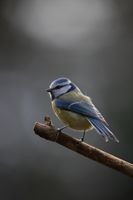
  "html": "\u003cp\u003eThe Eurasian blue tit (Cyanistes caeruleus) is a small passerine bird in the tit family, Paridae. It is easily recognised by its blue and yellow plumage and small size.\u003c/p\u003e\n\n\u003cp\u003eThe Eurasian blue tit is a widespread and common resident breeder throughout temperate and subarctic Europe and parts of western Asia. It inhabits deciduous or mixed woodlands, often with a high proportion of oak, and it is usually non-migratory. They typically nest in tree holes but readily adapt to using nest boxes when necessary. Their main rivals for nests and in the search for food are the larger, somewhat more common great tits (Parus major).\u003c/p\u003e\n\n\u003cp\u003eThe Eurasian blue tit\u0026rsquo;s diet consists mainly of insects and spiders. Outside of the breeding season, they also eat seeds and other plant-based foods. These birds are known for their acrobatic abilities; they can grip the outermost branches of trees and shrubs and hang upside down while searching for food.\u003c/p\u003e\n",
  "meta": {
    "h1": "Blue tit",
    "title": "Blue tit",
    "description": "test and debugging site for Cradle CMS",
    "keywords": "",
    "data": null
  },
  "next": {
    "id": "1890641e-3ac0-863d-b7b3-76e98b8f9cb5",
    "blogId": "189063dd-9bf3-8dcc-91b5-13ead51fed62",
    "blog": "birds",
    "authorId": "18639375-58ce-84f4-a5ca-202209038dc8",
    "lang": "en",
    "handle": "fairywren",
    "title": "Fairywren",
    "image": {
      "src": "superb-fairywren-8220199_1920.jpg",
      "alt": "Fairywen",
      "alts": {
        "en": "Fairywen",
        "sv": "Fågel"
      }
    }
  },
  "image": {
    "src": "blue-tit-8024809_1920.jpg",
    "alt": "",
    "alts": null
  },
  "format": "MD",
  "text": "The Eurasian blue tit (Cyanistes caeruleus) is a small passerine bird in the tit family, Paridae. It is easily recognised by its blue and yellow plumage and small size.\n\nThe Eurasian blue tit is a widespread and common resident breeder throughout temperate and subarctic Europe and parts of western Asia. It inhabits deciduous or mixed woodlands, often with a high proportion of oak, and it is usually non-migratory. They typically nest in tree holes but readily adapt to using nest boxes when necessary. Their main rivals for nests and in the search for food are the larger, somewhat more common great tits (Parus major).\n\nThe Eurasian blue tit's diet consists mainly of insects and spiders. Outside of the breeding season, they also eat seeds and other plant-based foods. These birds are known for their acrobatic abilities; they can grip the outermost branches of trees and shrubs and hang upside down while searching for food. "
}
Blog articles
[
  {
    "author": "",
    "authorId": "18639375-58ce-84f4-a5ca-202209038dc8",
    "blog": "birds",
    "blogId": "189063dd-9bf3-8dcc-91b5-13ead51fed62",
    "createdAt": "2026-02-02T09:32:14.553Z",
    "entity": "article",
    "excerpt": "",
    "format": "MD",
    "handle": "fairywren",
    "html": "\u003cp\u003eKnown and loved by Australians and gift-shop-visiting tourists alike, Superb Fairywrens may be one of Australia’s most well-known birds. This charismatic species is as likely to be found in back gardens and botanical gardens as it is on vegetated roadsides throughout south-eastern Australia.\u003c/p\u003e\n\n\u003cp\u003eBright Male Plumage: Pale blue top of head and cheeks separated by a stripe of black that runs through the eye and around the nape of the neck. Deep blue breast and throat are ringed by black.  Tail similarly deep blue. Belly is stark white. Upper back is pale blue, bill and lower back are black.\u003c/p\u003e\n\n\u003cp\u003eIntermediate Plumage: Brown plumage interspersed with bright plumage all over body, especially on head. Tail is deep blue.\u003c/p\u003e\n\n\u003cp\u003eDull Male Plumage: Brown back with white breast and belly.To distinguish from female, look for black bill and lack of rufous-brown eye lores.\u003c/p\u003e\n\n\u003cp\u003eFemale and Juvenile Plumage: Plumage as dull male except rufous-brown eye lores that extend from bill of same color. Tail brown throughout most of range, becoming slightly bluer in southeastern South Australia.\u003c/p\u003e\n",
    "id": "1890641e-3ac0-863d-b7b3-76e98b8f9cb5",
    "image": {
      "src": "superb-fairywren-8220199_1920.jpg",
      "alt": "Fairywen",
      "alts": {
        "en": "Fairywen",
        "sv": "Fågel"
      }
    },
    "lang": "en",
    "meta": {
      "h1": "Fairywren",
      "title": "Fairywren",
      "description": "",
      "keywords": "",
      "data": null
    },
    "next": {
      "id": "18906406-7c14-8496-bd00-558c217f8ad6",
      "blogId": "189063dd-9bf3-8dcc-91b5-13ead51fed62",
      "blog": "birds",
      "authorId": "18639375-58ce-84f4-a5ca-202209038dc8",
      "lang": "en",
      "handle": "blue-tit",
      "title": "Blue tit",
      "image": {
        "src": "blue-tit-8024809_1920.jpg",
        "alt": "",
        "alts": null
      }
    },
    "previous": null,
    "publishAt": "2026-02-02T09:32:48.876Z",
    "published": true,
    "tags": null,
    "template": "",
    "text": "Known and loved by Australians and gift-shop-visiting tourists alike, Superb Fairywrens may be one of Australia’s most well-known birds. This charismatic species is as likely to be found in back gardens and botanical gardens as it is on vegetated roadsides throughout south-eastern Australia.\n\nBright Male Plumage: Pale blue top of head and cheeks separated by a stripe of black that runs through the eye and around the nape of the neck. Deep blue breast and throat are ringed by black.  Tail similarly deep blue. Belly is stark white. Upper back is pale blue, bill and lower back are black.\n\nIntermediate Plumage: Brown plumage interspersed with bright plumage all over body, especially on head. Tail is deep blue.\n\nDull Male Plumage: Brown back with white breast and belly.To distinguish from female, look for black bill and lack of rufous-brown eye lores.\n\nFemale and Juvenile Plumage: Plumage as dull male except rufous-brown eye lores that extend from bill of same color. Tail brown throughout most of range, becoming slightly bluer in southeastern South Australia.",
    "title": "Fairywren",
    "updatedAt": "2026-08-22T06:24:29.932Z",
    "url": ""
  },
  {
    "author": "",
    "authorId": "18639375-58ce-84f4-a5ca-202209038dc8",
    "blog": "birds",
    "blogId": "189063dd-9bf3-8dcc-91b5-13ead51fed62",
    "createdAt": "2026-02-02T09:30:32.57Z",
    "entity": "article",
    "excerpt": "",
    "format": "MD",
    "handle": "blue-tit",
    "html": "\u003cp\u003eThe Eurasian blue tit (Cyanistes caeruleus) is a small passerine bird in the tit family, Paridae. It is easily recognised by its blue and yellow plumage and small size.\u003c/p\u003e\n\n\u003cp\u003eThe Eurasian blue tit is a widespread and common resident breeder throughout temperate and subarctic Europe and parts of western Asia. It inhabits deciduous or mixed woodlands, often with a high proportion of oak, and it is usually non-migratory. They typically nest in tree holes but readily adapt to using nest boxes when necessary. Their main rivals for nests and in the search for food are the larger, somewhat more common great tits (Parus major).\u003c/p\u003e\n\n\u003cp\u003eThe Eurasian blue tit\u0026rsquo;s diet consists mainly of insects and spiders. Outside of the breeding season, they also eat seeds and other plant-based foods. These birds are known for their acrobatic abilities; they can grip the outermost branches of trees and shrubs and hang upside down while searching for food.\u003c/p\u003e\n",
    "id": "18906406-7c14-8496-bd00-558c217f8ad6",
    "image": {
      "src": "blue-tit-8024809_1920.jpg",
      "alt": "",
      "alts": null
    },
    "lang": "en",
    "meta": {
      "h1": "Blue tit",
      "title": "Blue tit",
      "description": "",
      "keywords": "",
      "data": null
    },
    "next": null,
    "previous": {
      "id": "1890641e-3ac0-863d-b7b3-76e98b8f9cb5",
      "blogId": "189063dd-9bf3-8dcc-91b5-13ead51fed62",
      "blog": "birds",
      "authorId": "18639375-58ce-84f4-a5ca-202209038dc8",
      "lang": "en",
      "handle": "fairywren",
      "title": "Fairywren",
      "image": {
        "src": "superb-fairywren-8220199_1920.jpg",
        "alt": "Fairywen",
        "alts": {
          "en": "Fairywen",
          "sv": "Fågel"
        }
      }
    },
    "publishAt": "2026-02-02T09:31:46.528Z",
    "published": true,
    "tags": null,
    "template": "",
    "text": "The Eurasian blue tit (Cyanistes caeruleus) is a small passerine bird in the tit family, Paridae. It is easily recognised by its blue and yellow plumage and small size.\n\nThe Eurasian blue tit is a widespread and common resident breeder throughout temperate and subarctic Europe and parts of western Asia. It inhabits deciduous or mixed woodlands, often with a high proportion of oak, and it is usually non-migratory. They typically nest in tree holes but readily adapt to using nest boxes when necessary. Their main rivals for nests and in the search for food are the larger, somewhat more common great tits (Parus major).\n\nThe Eurasian blue tit's diet consists mainly of insects and spiders. Outside of the breeding season, they also eat seeds and other plant-based foods. These birds are known for their acrobatic abilities; they can grip the outermost branches of trees and shrubs and hang upside down while searching for food. ",
    "title": "Blue tit",
    "updatedAt": "2026-02-02T09:31:01.978Z",
    "url": ""
  }
]